NEW JOURNAL NOTES ON SPACE, OBJECTS, AND EVERYDAY ATMOSPHERE
Visit Shop
Back to All Articles

The Feng Shui Command Position

In this article

What Is the Command Position? Prospect and Refuge: The Psychological Foundation Where Feng Shui and Environmental Psychology Meet Practical Applications in Interior Design Designing for Confidence and Comfort

In both Feng Shui and environmental psychology, where we position ourselves within a space deeply affects how safe, in control, and at ease we feel.

One of the most fundamental principles in Feng Shui is the Command Position. It suggests that key pieces of furniture — such as the bed, desk, and stove — should be placed in specific locations that enhance stability, awareness, and confidence.

Interestingly, this idea closely mirrors a concept in environmental psychology called “prospect and refuge.” This theory proposes that humans thrive in environments where they can see what’s around them (prospect) while also feeling protected (refuge).

Understanding the overlap between these two perspectives allows us to design spaces that feel intuitive, supportive, and emotionally grounding.

What Is the Command Position?

The Command Position refers to placing important furniture so that you can see the entrance to the room without being directly in line with the door.

This placement offers a clear line of sight while maintaining a sense of protection. Symbolically, it represents awareness and control over your surroundings.

In Feng Shui, three elements are especially important:

  • The Bed– Represents the self. Proper placement supports restful sleep and personal security.
  • The Desk– Represents career and life path. Placement enhances focus, creativity, and opportunit
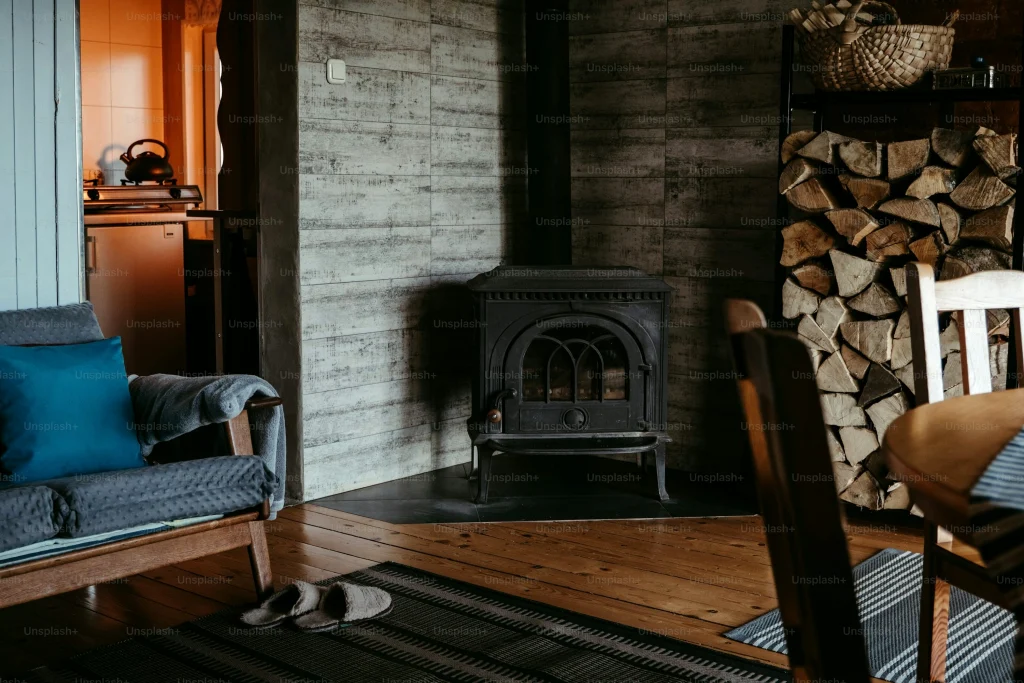
  • The Stove– Represents wealth and nourishment. It symbolizes health, resources, and financial stability.

Prospect and Refuge: The Psychological Foundation

Humans are naturally drawn to spaces where they can observe their surroundings (prospect) while also feeling sheltered (refuge).

This preference is rooted in evolution. Survival once depended on being able to detect potential threats while remaining protected from danger.

In modern interiors, this translates to:

Prospect

  • Open layouts
  • Views of doors and windows
  • Clear sightlines across a room

Refuge

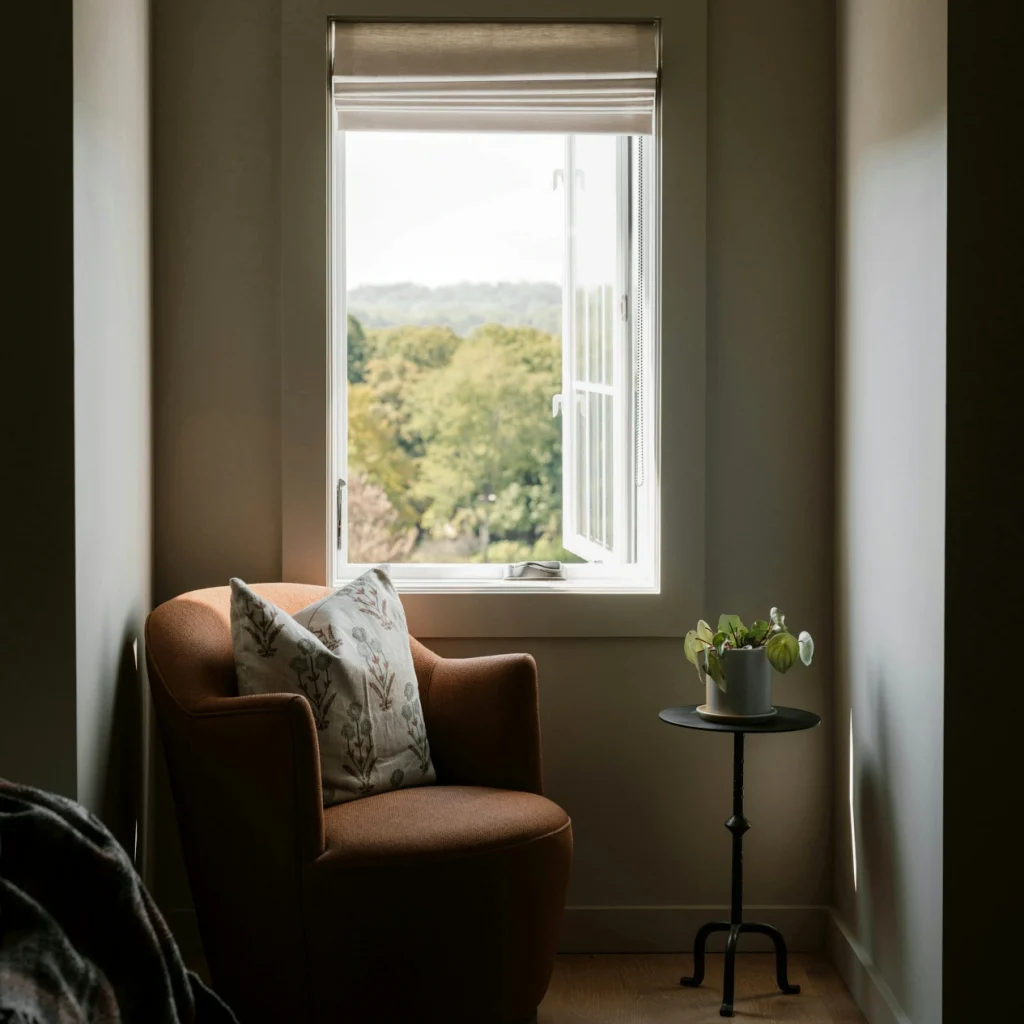
  • High-backed chairs
  • Cozy corners
  • Alcovesand protected seating areas

When a space lacks these qualities, people may feel exposed, tense, or subtly uneasy — similar to the discomfort described in Feng Shui when a bed, desk, or stove is not in command position.

Where Feng Shui and Environmental Psychology Meet

Both disciplines recognize that spatial perception influences emotional and mental well-being.

The Command Position aligns beautifully with prospect and refuge principles:

  • You can see who enters the space.
  • You are not directly in the path of the doorway.
  • Your back feels supported.

This creates a subtle but powerful sense of safety.

When someone feels secure in their physical environment, stress naturally decreases. Focus improves. Energy flows more smoothly — whether we describe it as Qi in Feng Shui or cognitive ease in psychology.

Both approaches ultimately seek the same outcome:
a space that feels calm, supportive, and balanced.

Practical Applications in Interior Design

By combining Feng Shui’s Command Position with prospect-and-refuge theory, designers can create spaces that feel instinctively right.

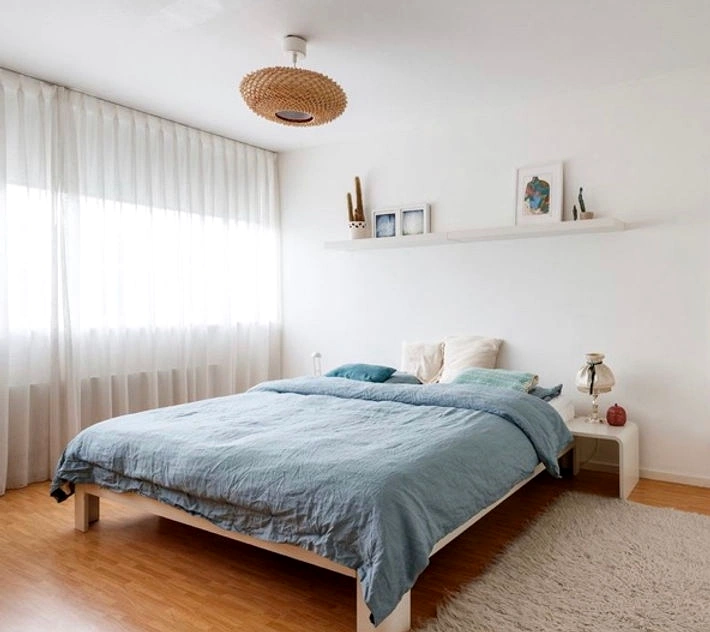
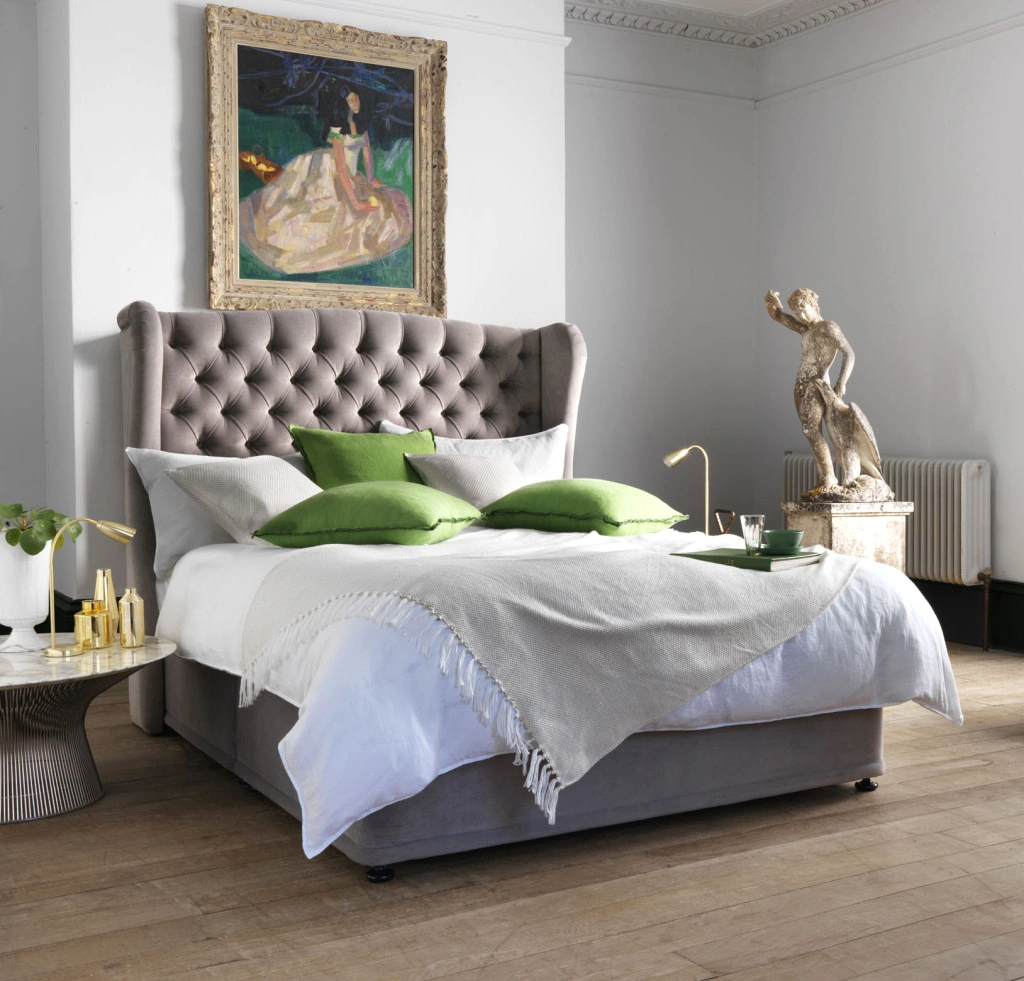
In the Bedroom

  • Position the bed diagonally facing the entrance.
  • Avoid placing it directly in line with the door.
  • Use a solid, supportive headboard to create a feeling of refuge.
  • This setup allows awareness without vulnerability.

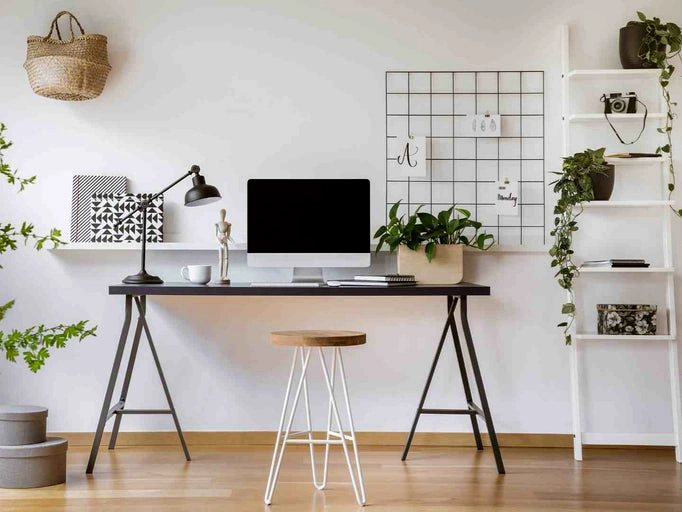
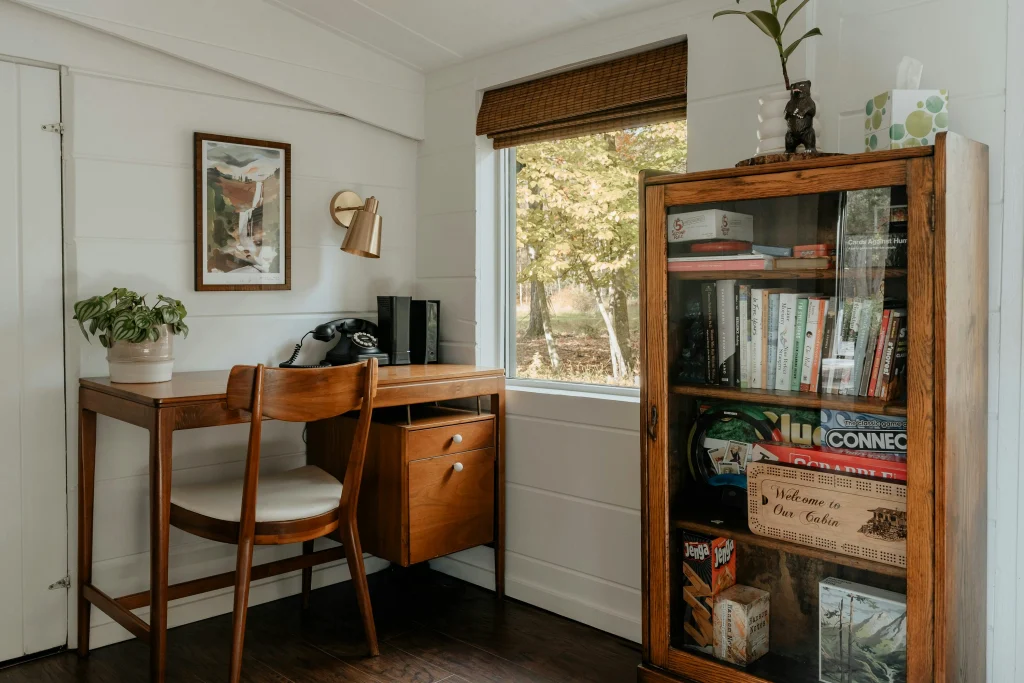
In the Home Office

  • Place the desk facing the door whenever possible.
  • Avoid sitting with your back to the entrance.
  • If facing a wall, consider adding a mirror so you can see behind you.

This supports clarity, confidence, and decision-making.

In Living Areas

  • Arrange seating to allow visibility of entrances.
  • Create both open seating zones and cozy protected corners.

Balancing openness with shelter makes social spaces feel both inviting and secure.

Designing for Confidence and Comfort

Both Feng Shui’s Command Position and environmental psychology’s prospect-and-refuge theory highlight a shared truth:

Humans have an innate need to feel aware and protected within their environment.

When furniture placement supports that need, spaces feel more grounded and harmonious — not just visually pleasing, but emotionally supportive.

Whether applied in homes, offices, or public spaces, the goal remains the same:

Create environments where people feel confident, calm, and comfortable.

Good design doesn’t just look beautiful.
It helps you feel safe in your own space.

Same category navigation

More to read next

From reading to action

Keep thoughtful guides close as you shape a calmer home.

Save ideas for later, explore room-based guidance, or share what you would like us to write about next.


Explore Room Guides Use room-based guides when you want a calmer way to choose placement, materials, and daily-use pieces.
Share A Future Topic Tell us what spaces, objects, or topics you'd like us to explore next. We’re always open to new ideas and inspiration.
Journal Dispatch

A quiet letter for spatial living.

Receive calm notes on placement, materials, and living with more spatial clarity.