When the I Ching Meets Newton
In this article
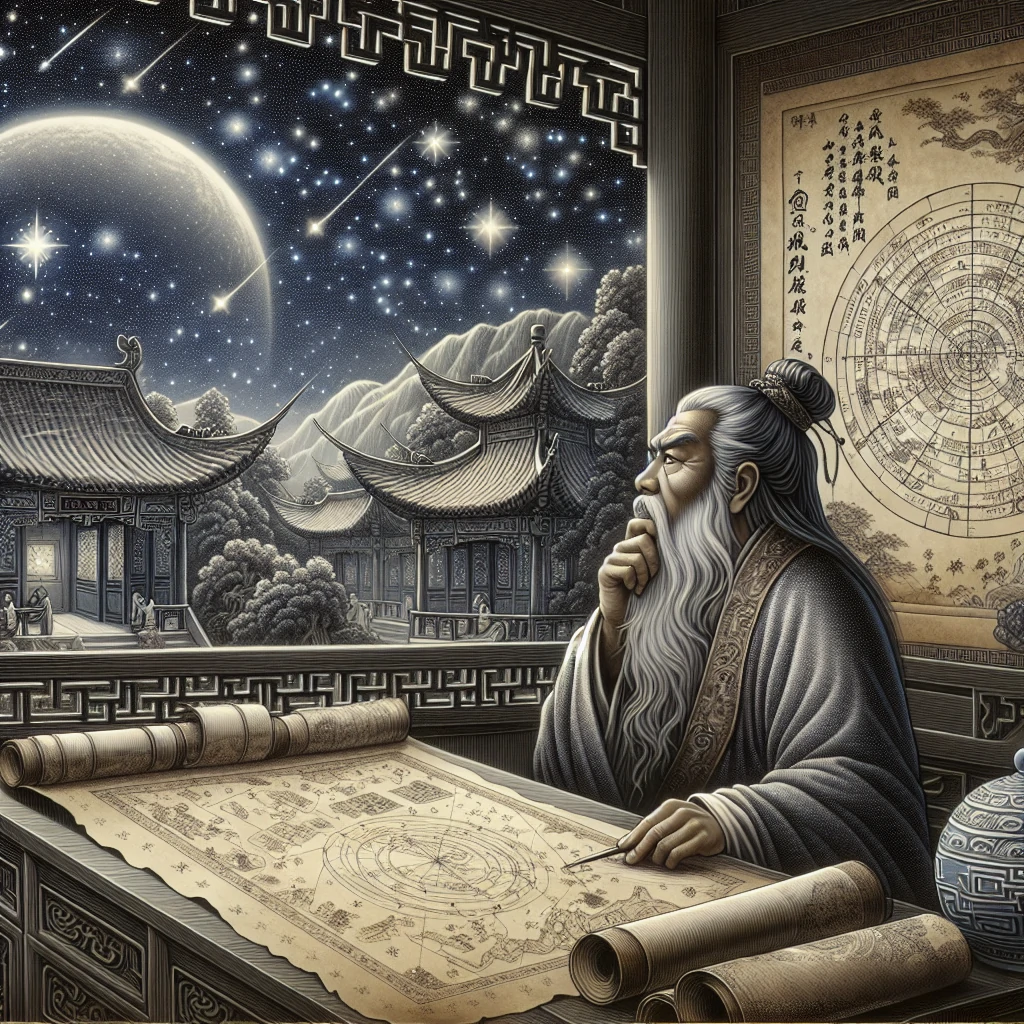
A Conversation Between Two Views of Time and Space
Have you ever stopped to wonder:
What is time, really?
You might say time is what moves across the face of a clock—the stretch between waking up in the morning and going to sleep at night.
But if you asked a physicist, they might say time is a dimension of the universe.
If you asked an ancient thinker, they might say time is the cycle of spring, summer, autumn, and winter.
Two answers.
Two ways of seeing the world.
Today, let’s put Newton and the I Ching in the same conversation. One represents the classical Western view of space and time. The other represents an ancient Eastern way of understanding the universe. At first, they seem to have nothing to do with each other. But when it comes to the question of what time and space actually are, they may have more to say to each other than we expect.
Newton’s World: A Perfect Clock
Let’s start with Newton.
In the 17th century, Isaac Newton introduced an idea that shaped physics for centuries: time and space are absolute.
What does that mean?
Newton believed that time flows like a river. No matter where you are or what you are doing, it keeps moving at the same steady rate. One second is one second. It does not speed up or slow down.
Space, in his view, works in a similar way. It is a vast, unmoving stage. Everything in the universe moves across that stage, but the stage itself stays still.
You can imagine an empty theater. The lights come on, the actors walk on stage, and the performance begins. But the theater itself remains unchanged.
That is Newton’s idea of absolute space and time. It is intuitive. It fits everyday experience. You are in a moving car, but time still seems to pass the same way. You stop moving, and time does not stop with you. Time appears to exist independently of you.
This idea dominated physics for more than two hundred years, until Einstein came along.
But this is not Einstein’s story.
What matters here is that in Newton’s universe, the world looks like an exquisitely precise clock. Every second is regular. Every position can be measured. Everything can, in principle, be calculated and predicted.
It is a deeply rational and orderly worldview.
The I Ching’s World: A Never-Ending Process of Change
Now let’s turn to ancient China.
The I Ching, or Book of Changes, is one of the oldest Chinese classics. It began as a divination text, but over time it became a major philosophical work. Its core idea is both simple and enormous:
everything changes.
The I Ching uses two basic symbols to explain the world: yin and yang.
Yin is quiet, dark, inward, downward.
Yang is active, bright, outward, upward.
They are not enemies. They are more like dance partners. Yin contains yang. Yang contains yin. One rises as the other recedes. They move in cycles, endlessly transforming into each other.
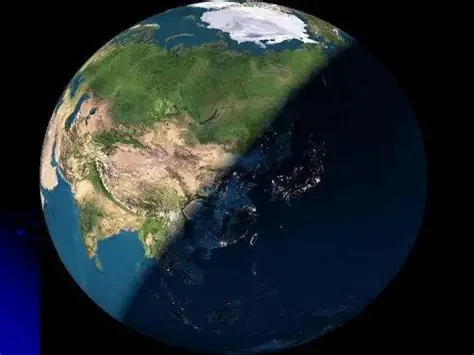
Day becomes night.
Summer becomes winter.
Movement turns into stillness.
Stillness eventually turns back into movement.
This is what the I Ching is trying to say: the world is never static. It is always in motion, always becoming something else. Change is not accidental. It is the basic pattern of reality.
In this view, time and space are not like Newton’s fixed stage. They are part of the process of change itself. When spring arrives and things begin to grow, that is not just something happening in time and space. Time and space are part of that movement. When autumn comes and things begin to contract and settle, that too is part of the movement of the world.
You cannot really pull time and space out and examine them separately. They are woven together with wind, rain, trees, seasons, and human life.
Where the Two Views Differ
If you put Newton and the I Ching side by side, the contrast is quite clear.
Newton’s time and space are absolute.
Time flows evenly. Space stays still. They exist independently of the things within them.
The I Ching’s time and space are relational.
They cannot be separated from the world itself. When the world changes, the experience of time and space changes with it.
Here is another way to picture it.
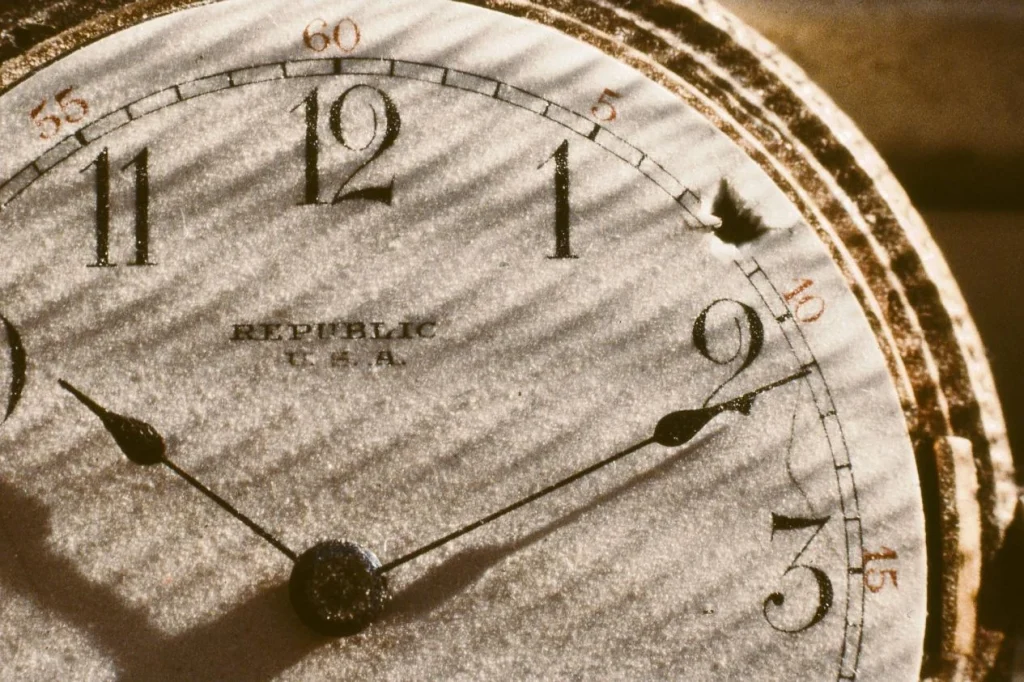
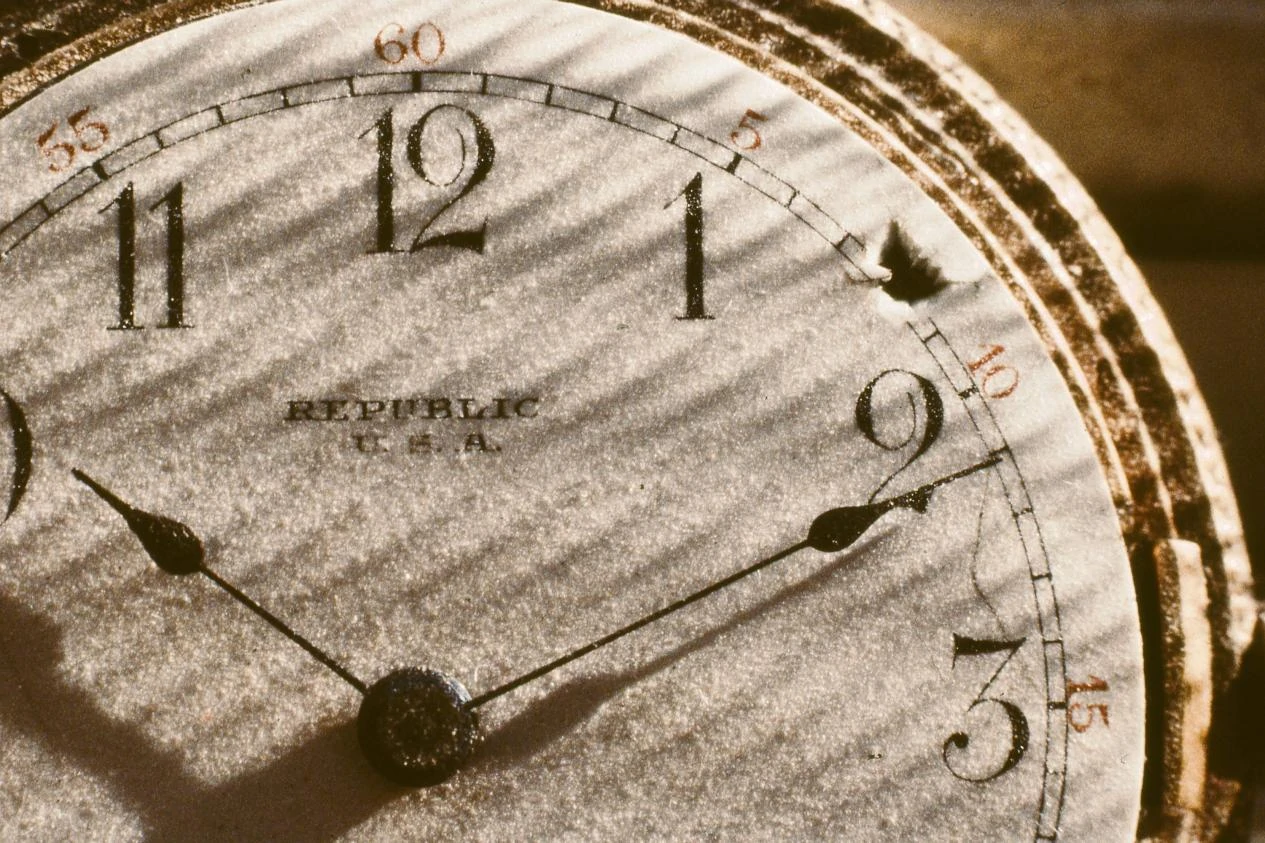
Newton’s universe is like a clock. Wind it up, and it starts ticking. Every second is precise. Every gear turns in a fixed rhythm. If you know enough, you can predict exactly where it will point next.
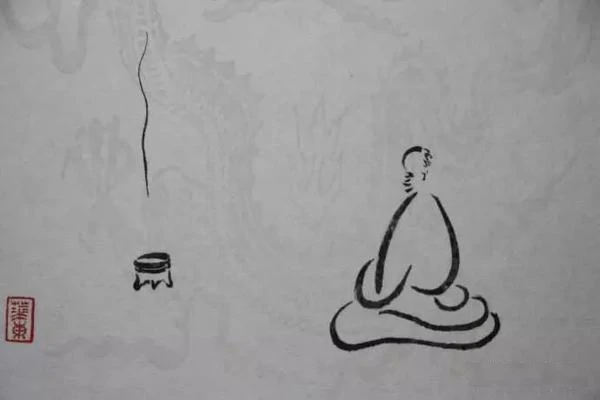
The I Ching’s universe is more like a river. The water keeps flowing. Sometimes it moves quickly, sometimes slowly. Sometimes it bends around rocks. You know it is moving, but you do not always know exactly what it will meet next.
One seeks certainty.
The other embraces change.
But They Share One Deep Belief
For all their differences, Newton and the I Ching share something fundamental:
both believe the universe has order.
Newton believed that order was mathematical, physical, and calculable. If you know the initial conditions, you can work out what happens next. The universe is not chaos. It follows precise rules.
The I Ching also believes in order. But its order is not a fixed formula. It is an order of transformation. Yin and yang shift according to patterns. Hexagrams change according to patterns. If you understand those patterns, you gain insight into where things are heading.
One describes order through mathematics.
The other describes order through symbols.
Different methods, same confidence:
the world is not random, meaningless, or completely unintelligible. It has a pattern.
That belief may sound simple, but it matters. Without it, science would not exist. Philosophy would not exist. Human beings would remain stuck in pure confusion, never expecting that reality could be understood at all.
What Can Ancient Wisdom Still Offer Us?
You might ask: who still reads the I Ching today? Don’t we already have physics?
It is a fair question.
Physics tells us how the world works.
The I Ching asks what it means to live in a world that is always changing.
Physics gives us formulas and measurements.
The I Ching offers a way of seeing: a way of paying attention to change, relationship, rhythm, and balance.
In a world that feels faster, more unstable, and more unpredictable than ever, the wisdom of the I Ching can feel surprisingly fresh. It reminds us that change is not an interruption of life. Change is the normal condition of life.
Newton’s clockwork universe gives us certainty and control.
The I Ching’s river-like universe gives us flexibility and adaptability.
In truth, we probably need both.
In the End
When the I Ching meets Newton, it is not really a matter of who is right and who is wrong.
One says:
the world is orderly, and you can calculate it.
The other says:
the world is changing, and you need to move with it.
One gave us physics.
The other gave us philosophy.