Where Feng Shui Meets Science
The Overlap Between Traditional Home Wisdom and Modern Living
When people hear the word feng shui, they often think of something mysterious, symbolic, or even superstitious. But when we look more closely, we find that this traditional Chinese approach to the home contains a surprising amount of practical wisdom—much of which aligns closely with modern science.
From daylight and ventilation to structural safety, emotional comfort, and ecological living, feng shui’s core idea of living in harmony with one’s environment reflects a deep understanding of how space affects health, mood, and quality of life.
Today, many of the principles that feng shui emphasizes can also be explained through architecture, environmental psychology, public health, and sustainable design.
Here is a closer look at where traditional feng shui and modern scientific thinking meet.

1. Light and Ventilation: The Scientific Core Behind “Gathering Good Energy”
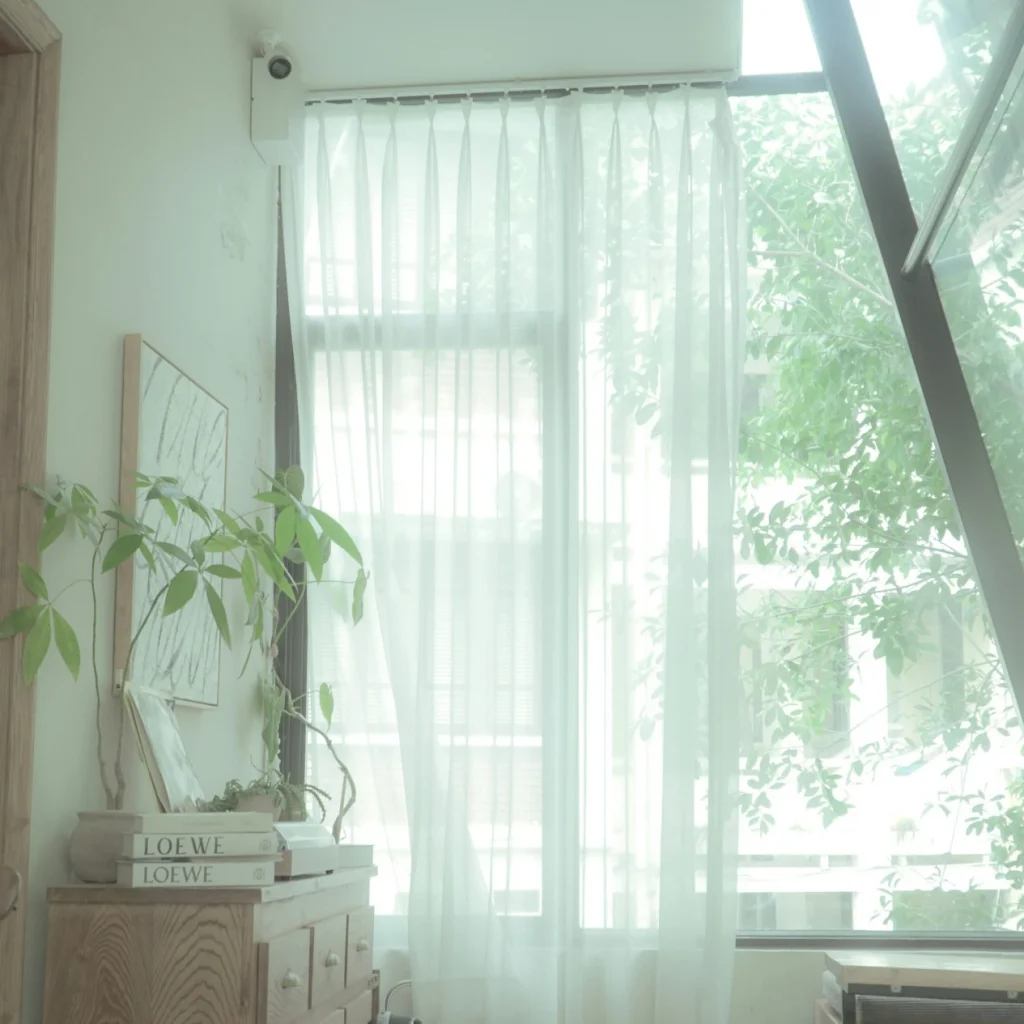
Traditional feng shui consistently values homes that are bright, well-ventilated, and open to natural airflow. In modern building science, these are also considered essential foundations of a healthy home.
Natural light does far more than make a room look beautiful. Sunlight helps reduce moisture-related issues, supports indoor hygiene, and plays an important role in regulating the body’s circadian rhythm. Exposure to daylight can also support vitamin D production, improve sleep patterns, and positively influence mood.
Ventilation is just as important. Good airflow helps remove indoor pollutants such as cooking fumes, excess moisture, and chemical residues from building materials or furniture. It also helps reduce dampness, mold risk, and stale air—especially in climates where humidity is a concern.
What feng shui describes as a space that can “hold” comfort and vitality often corresponds, in modern terms, to a home with healthy airflow, balanced light, and fewer environmental stressors.
In this sense, traditional preferences such as south-facing orientation, adequate sunlight, and avoiding stagnant air are not only symbolic—they are highly practical.
2. Site Selection: The Safety Logic Behind “Choosing Auspicious Ground”
Feng shui has always placed great importance on the land surrounding a home. While this is often described in cultural language, it also reflects a very grounded awareness of safety, health, and environmental quality.
For example, homes built on higher, drier ground are less likely to suffer from standing water, unstable foundations, or excessive dampness. From a modern perspective, this aligns with sound geological and urban planning principles: avoid flood-prone areas, prioritize drainage, and select sites with stable terrain.
Traditional feng shui also tends to favor homes away from excessive noise, pollution, or harsh surrounding conditions. Today, this makes even more sense. Distance from industrial pollution, heavy traffic, waste-processing sites, or environmental hazards can directly affect air quality, stress levels, and long-term health.
Likewise, access to clean water, greenery, and open space aligns closely with modern ideas of ecological living. Trees and vegetation can help filter air, reduce noise, moderate temperature, and improve the overall emotional quality of a neighborhood.
What feng shui once described as “seeking the beneficial and avoiding the harmful” can often be understood today as choosing environments that are safer, cleaner, and more supportive of human wellbeing.
3. Spatial Layout: Order, Function, and the Logic of Good Living
Inside the home, feng shui places strong emphasis on clarity, order, and functional balance. These principles align closely with contemporary interior planning and residential design.
One important idea is the separation of active and quiet zones. Bedrooms should be protected from excessive noise, moisture, and disruption, while kitchens and bathrooms should be designed for hygiene, ventilation, and practical use. This reflects a basic principle of modern home planning: different functions require different environmental conditions.
In the same way, the living room is often seen as the center of shared family life. A well-positioned, comfortable, and open common area supports both social interaction and ease of movement. Clear circulation, appropriate furniture placement, and uncluttered pathways improve usability and reduce stress.
Even everyday details—such as storage design, balcony use, and keeping the home organized—reflect a shared value between feng shui and modern living: a space works best when it supports real human needs with clarity and ease.
What feng shui describes as a harmonious layout often corresponds directly to what designers today would call good flow, practical zoning, and human-centered planning.
4. Structural Integrity: Stability as a Foundation of Wellbeing
Feng shui places strong emphasis on the idea that a home should feel stable, secure, and well-supported. Behind this traditional language is a concern that modern architecture fully shares: structural safety.
A strong foundation, reliable drainage, durable walls, proper moisture protection, and sound construction are all essential to the long-term health of both the building and the people living in it. A house that suffers from water damage, cracking, poor insulation, or structural weakness creates not only physical risk, but also chronic emotional stress.
Modern standards such as earthquake resistance, fire safety, separation distances, and emergency systems can be seen as contemporary expressions of the same deeper principle: a good home should protect life.
In this way, feng shui’s concern with “stability” is not merely symbolic. It reflects an enduring truth that safe, well-built environments are the basis of healthy living.
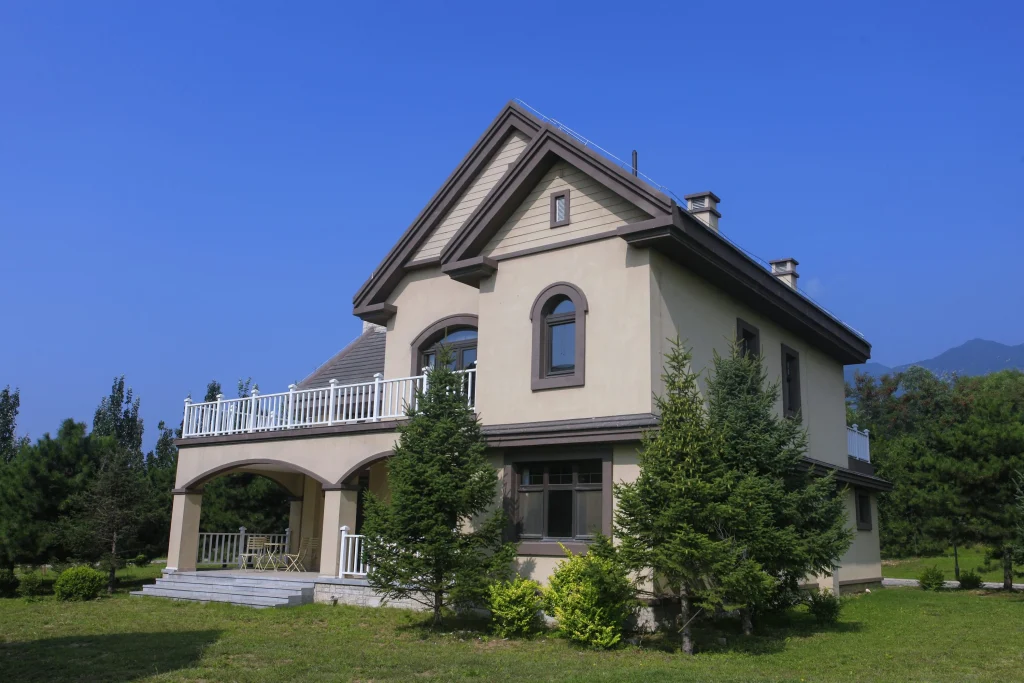
5. Emotional Comfort: When Feng Shui Meets Environmental Psychology
One of the most compelling overlaps between feng shui and modern science lies in how space affects the mind.
Feng shui has always paid attention not only to physical conditions, but also to how a home feels. This is where it connects strongly with environmental psychology and spatial aesthetics.
A bright and open room often feels more uplifting than a dark, cramped one. Balanced proportions, visual harmony, and thoughtful layout can create a sense of calm and stability. Sharp forms, clutter, excessive visual tension, or oppressive arrangements may do the opposite, increasing stress or discomfort.
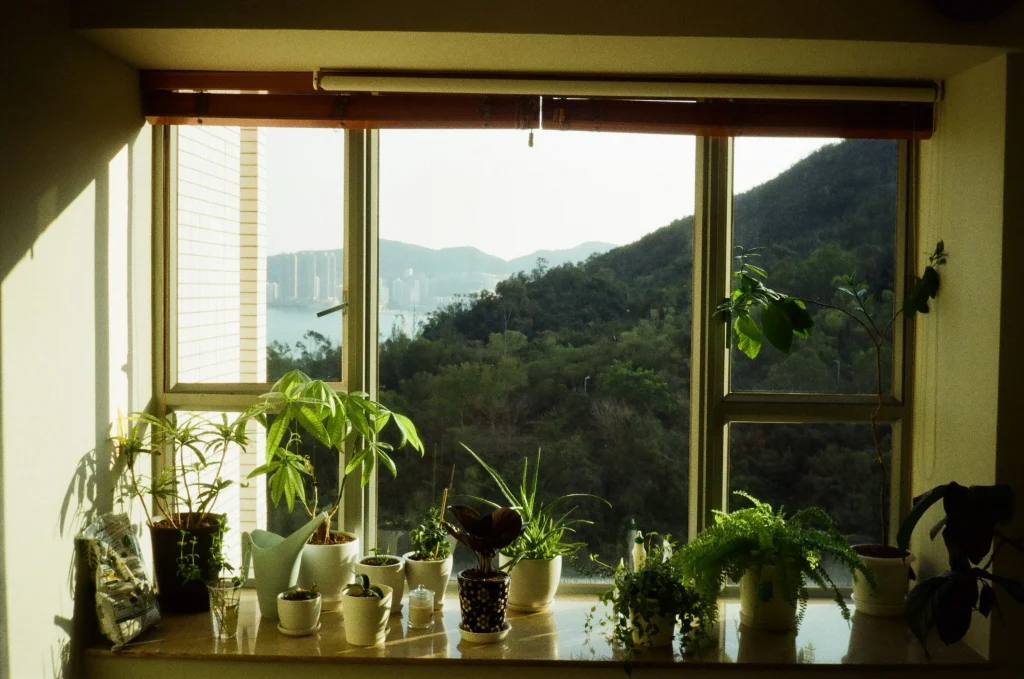
The integration of natural elements—such as plants, water, wood, and natural light—has long been valued in feng shui. Today, research in environmental psychology and biophilic design suggests that these elements can indeed help reduce stress, improve mood, and create more restorative living environments.
Privacy also matters. A home that offers emotional shelter, healthy boundaries, and a sense of security supports psychological wellbeing. In this sense, feng shui’s concern with protection, comfort, and neighborhood harmony reflects a deeper awareness of human emotional needs.
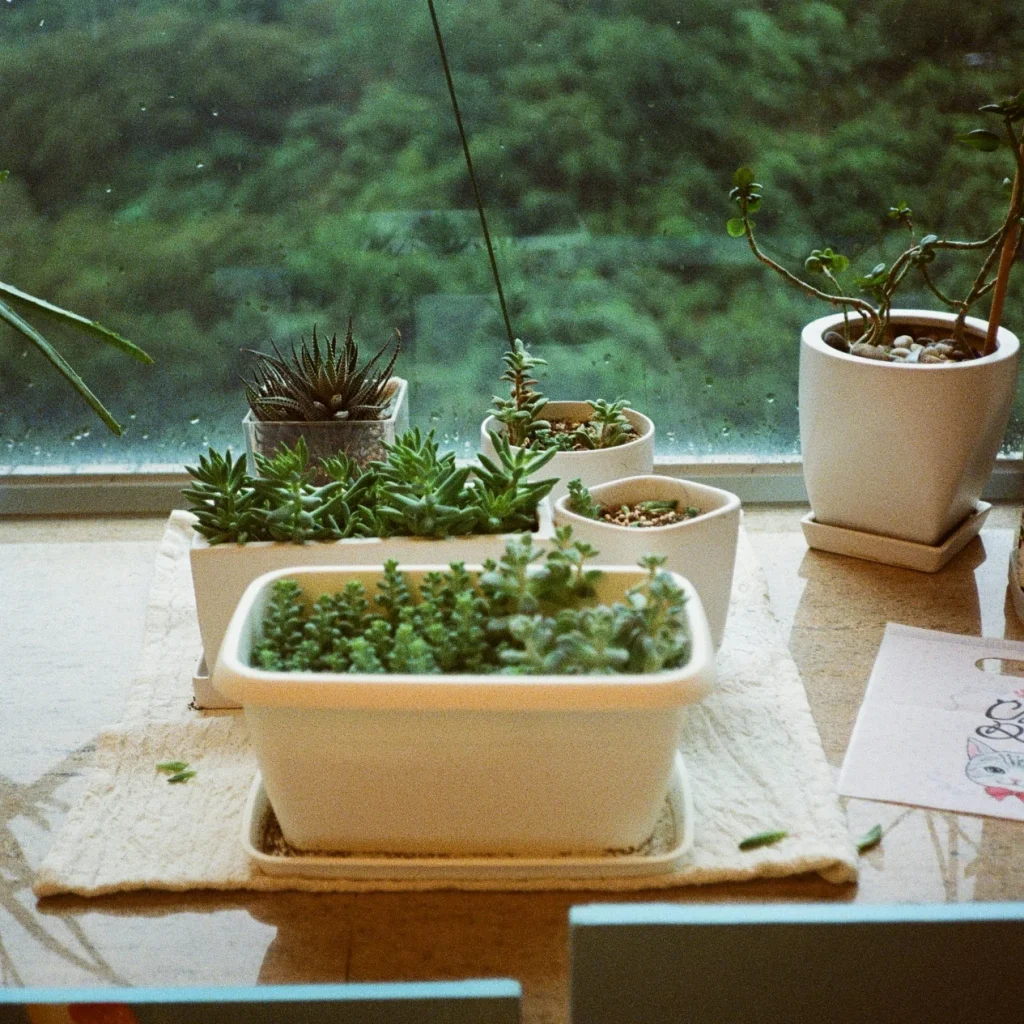
6. Sustainability and Ecological Thinking: The Deeper Meaning of “Living With Nature”
At the heart of feng shui is the idea of working with nature, not against it. This principle feels especially relevant today in the context of sustainability and eco-conscious design.
Using natural light and cross-ventilation to reduce dependence on artificial lighting and air conditioning is both environmentally responsible and deeply aligned with traditional feng shui thinking. Choosing healthier building materials, reducing indoor toxins, and designing with the local climate in mind all reflect the same logic.
Modern green strategies—such as rainwater collection, passive cooling, solar energy, and low-toxicity materials—may not appear in classical feng shui texts in the same language, but they resonate strongly with its core philosophy.
If feng shui is understood as a way of creating balance between people, shelter, and the natural world, then sustainable design may be one of its most meaningful modern expressions.
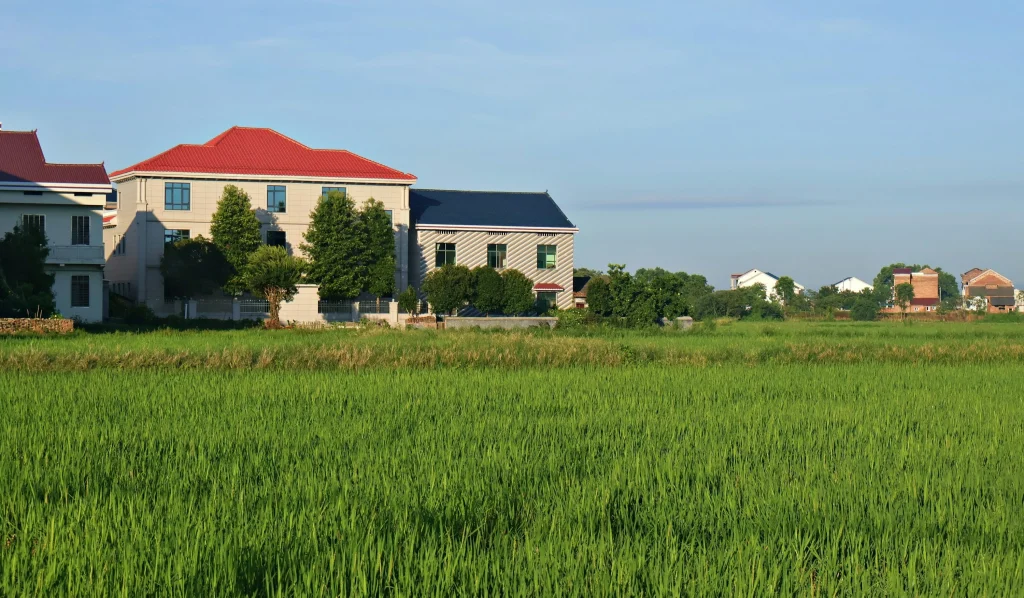
Conclusion: Feng Shui as Living Wisdom, Not Just Symbolism
From daylight and airflow to site selection, spatial planning, structural stability, emotional comfort, and ecological awareness, feng shui is far from being only a mystical belief system.
At its most meaningful, it is a body of environmental wisdom shaped by long-term observation of how people live best within nature. Its overlap with modern science does not mean every traditional idea can or should be scientifically proven. But it does show that many of its core concerns—health, comfort, safety, balance, and harmony—remain deeply relevant.
This is perhaps why feng shui continues to resonate today.
Not because every rule must be followed literally, but because it reminds us of something essential:
A home is not just a place to stay. It is an environment that shapes how we feel, how we rest, how we relate, and how we live.