NEW JOURNAL NOTES ON SPACE, OBJECTS, AND EVERYDAY ATMOSPHERE
Visit Shop
Back to All Articles

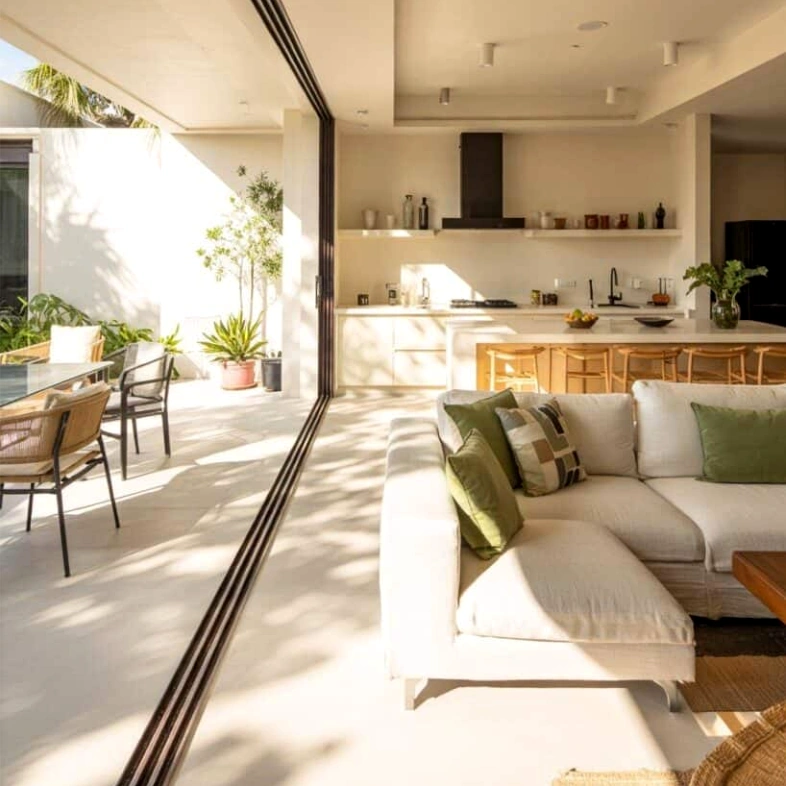
Why Some People Feel Overwhelmed in Open-Plan Homes

In this article
The Psychological Origins of Open-Plan Living Why Open Space Can Overload the Nervous System Who Struggles Most With Open Layouts? How Open Layouts Can Disrupt Sleep and Rest Why Open-Plan Homes Work Well for Some People How to Make an Open-Plan Home Feel Safer and More Comfortable Rethinking Open-Plan Design: The Future Is Adaptive Final Thoughts FAQ: The Psychology of Open-Plan Living
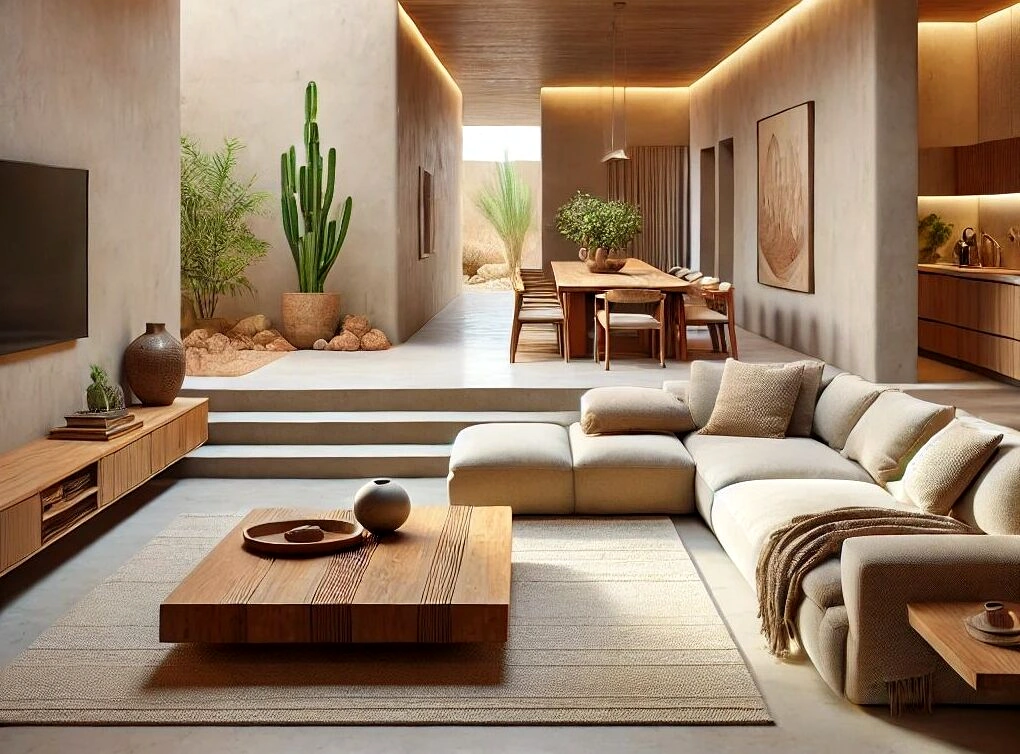
Psychology suggests that open-plan homes don’t feel comfortable for everyone.
Are you one of those people?

An open layout is not just a design trend—it’s a psychological environment. Research in environmental psychology shows that the way a home is arranged can directly influence stress levels, attention, emotional regulation, and the nervous system.

In this article, we explore the psychology of open-plan living: why some people feel calm and energized in open spaces, while others experience anxiety, sensory overload, and mental fatigue—and what this reveals about how the brain responds to the spaces we live in.

The Psychological Origins of Open-Plan Living

Open-plan homes became popular in the mid-20th century, influenced by modernist architecture and shifting social norms. Designers wanted homes to feel less rigid and hierarchical, and more unified and connected.

Architects promoted fluid interiors by removing unnecessary walls, emphasizing continuity, light, and movement.

Over time, open layouts became psychologically associated with:

  • Modernity
  • Social connection
  • Status and spaciousness
  • Better light distribution

But what works architecturally does not always match human psychology. Humans evolved around sheltered, defined zones—especially around cooking and gathering spaces. For many of us, that sense of boundary still feels naturally comforting.

Why Open Space Can Overload the Nervous System

For many people, discomfort in open-plan homes comes down to sensory processing. Here’s what’s happening:

1) The Brain Never Fully “Switches Off”

In enclosed rooms, the brain often feels safer because boundaries signal protection. From a nervous system perspective, edges matter.

In an open-plan home:

  • Your visual field stays constantly active
  • Movement in one zone affects every other zone
  • Sound travels freely
  • Clutter is always visible

The result: the brain remains in low-level vigilance, continuously scanning for stimulation rather than resting. For sensitive nervous systems, this can lead to mental fatigue.

2) Visual Overload and Cognitive Load

The brain evolved to process environments with natural visual separation—trees, shadows, distance, walls. Open layouts remove many of those cues.

Environmental psychology suggests that the more objects you can see at once, the harder your brain must work to:

  • Filter information
  • Prioritize attention
  • Maintain focus

This is why many people in open-plan homes say:
“I can’t fully relax—even when I’m doing nothing.”

In short: the brain keeps processing even during rest.

3) Noise With No Escape

Sound behaves differently in open spaces. And “sound” includes:

  • Appliances
  • Conversations
  • TV audio
  • Footsteps

Even low-level background noise can raise cortisol over time. Without doors or walls, there is no psychological “off switch.”

For some people, quiet and privacy are not preferences—they are neurological needs.

Who Struggles Most With Open Layouts?

Not everyone experiences open space the same way. Certain nervous systems and personality traits tend to be more sensitive to it:

1) Introverts

Introverts restore energy in low-stimulation environments. Continuous visual and auditory input can drain them faster—even if the space looks beautiful.

2) Highly Sensitive People (HSP)

HSPs process sensory input more deeply. Open layouts can feel overwhelming, chaotic, or emotionally “loud.”

3) Neurodivergent Minds

For people with ADHD or autism, open spaces can amplify:

  • Visual distraction
  • Echo and noise
  • Lack of spatial cues

Open layouts reduce the brain’s ability to categorize tasks and switch modes.

4) People Prone to Anxiety

Open layouts can reduce perceived control—one of the most common psychological triggers for anxiety.

How Open Layouts Can Disrupt Sleep and Rest

One often-overlooked issue is circadian rhythm disruption.

Open-plan homes tend to involve:

  • More artificial lighting
  • Kitchen light spilling into living areas
  • Fewer dark, enclosed spaces

Traditional layouts naturally separate activity zones from rest zones. Open layouts blur that transition—making it harder for the brain to receive clear signals that it’s time to slow down.

Culturally, we often associate more space with freedom and success. Psychologically, humans don’t need the biggest space—we need the right kind of space.

Research consistently shows people feel calmer in environments with:

  • Clear zones
  • Predictable structure
  • Visual hierarchy

In other words: structure reduces stress.

Why Open-Plan Homes Work Well for Some People

It’s important to note: many people thrive in open-plan spaces. That’s why the style remains popular.

Psychologists suggest open layouts tend to suit people who are:

  • More extroverted
  • Less sensory-sensitive
  • Socially energized rather than easily drained
  • Stimulated (rather than stressed) by visual activity

This explains why opinions on open-plan living can be so polarized. It’s not simply “good or bad design”—it’s about the match between layout and nervous system.

How to Make an Open-Plan Home Feel Safer and More Comfortable

If you live in an open-plan home and feel stressed, you don’t necessarily need to move. Small changes can significantly improve how your nervous system responds.

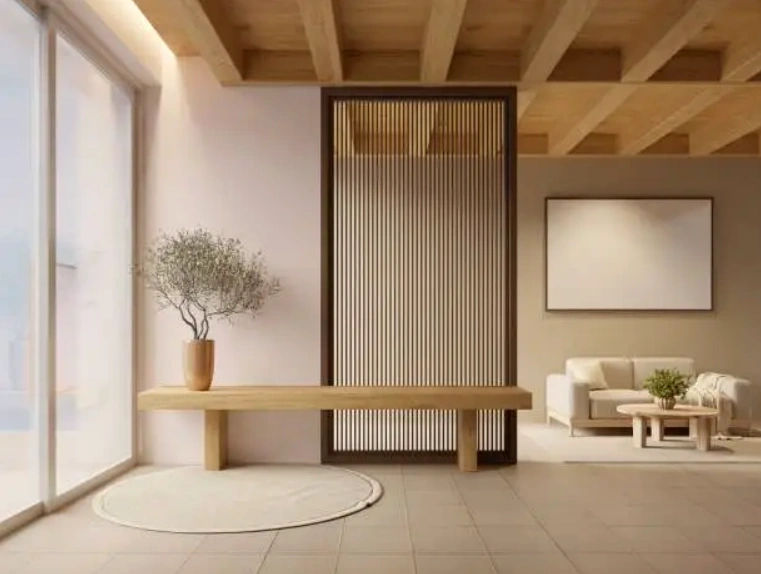
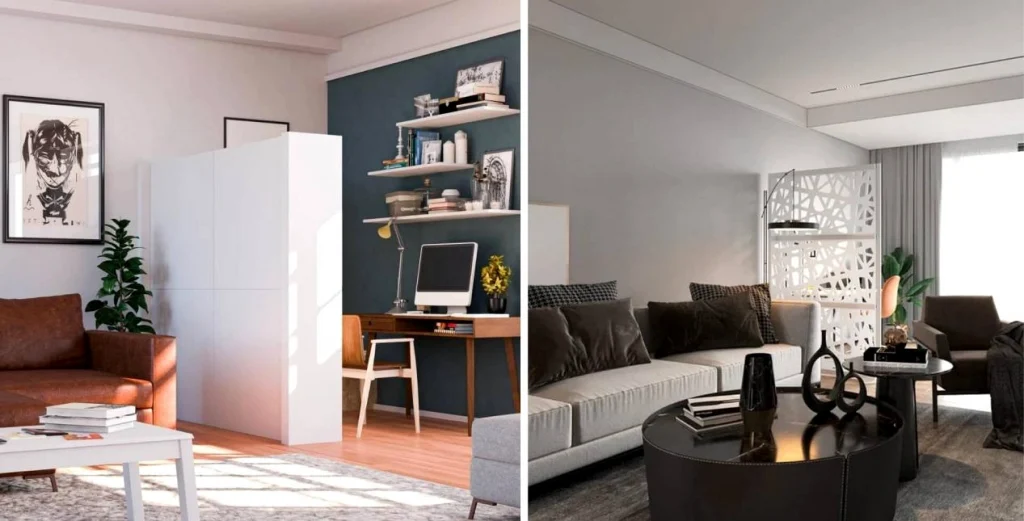
1) Create Visual Boundaries

Even without walls, visual breaks reduce overwhelm. Use:

  • Rugs
  • Bookcases
  • Screens
  • Plants

These cues give the brain “edges” to rest against.

2) Reduce Visual Noise

Open spaces amplify clutter. Prioritize:

  • Closed storage
  • Fewer decorative objects
  • A cohesive colorpalette

Less to see = less to process.

3) Layer Sound Control

Add:

  • Textiles
  • Curtains
  • Upholstery
  • Acoustic panels

Soft surfaces absorb echo and reduce sensory strain.

4) Build a “Micro-Retreat”

Even one enclosed corner—a reading nook, a curtained area, a small focused workspace—can lower stress dramatically. Your nervous system needs at least one place that signals: safe, quiet, contained.

Rethinking Open-Plan Design: The Future Is Adaptive

The healthiest homes of the future may be neither fully open nor fully closed—but flexible.

Design trends are shifting toward:

  • Zoned, irregular floor plans
  • Sliding walls
  • Flexible partitions
  • Architectural layering of space

This approach respects social connection while protecting psychological safety.

Final Thoughts

If open-plan living makes you anxious, distracted, or exhausted, the problem isn’t you.

It’s a mismatch between your nervous system and your environment.

Open-plan psychology reminds us that a home is not only visual—it is an emotional ecosystem. The best homes do not chase trends. They support the people living inside them.

FAQ: The Psychology of Open-Plan Living
What is “open-plan psychology”?
It explores how open-plan layouts affect mental health, stress levels, attention, and sensory processing.

Why do some people feel overwhelmed in open-plan spaces?
Because open layouts increase visual and auditory stimulation, keeping the nervous system activated and preventing deep rest.

Are open-plan homes bad for mental health?
Not always. They may raise stress for introverts or sensitive people, but feel energizing for others. It depends on sensory tolerance and personality.

Who struggles most with open-plan homes?
Introverts, highly sensitive people (HSP), neurodivergent individuals, and those prone to anxiety often find open spaces more challenging.

How can I reduce sensory overload in an open-plan home?
Create visual boundaries, reduce clutter, soften acoustics, and build at least one enclosed low-stimulation retreat area.

Are design trends moving away from open-plan layouts?
Many designers are shifting toward flexible, zoned layouts that balance openness with psychological comfort.

Same category navigation

More to read next

From reading to action

Keep thoughtful guides close as you shape a calmer home.

Save ideas for later, explore room-based guidance, or share what you would like us to write about next.

Explore Room Guides Use room-based guides when you want a calmer way to choose placement, materials, and daily-use pieces.
Share A Future Topic Tell us what spaces, objects, or topics you'd like us to explore next. We’re always open to new ideas and inspiration.
Journal Dispatch

A quiet letter for spatial living.

Receive calm notes on placement, materials, and living with more spatial clarity.