Yin and Yang Balance: It’s Not About Half and Half
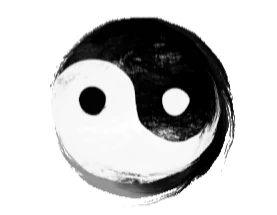
You’ve probably seen the symbol before — one half black, one half white, a dot of white inside the black, a dot of black inside the white, the two shapes curling around each other in a circle.
That is the taiji symbol.
Yin and yang, two opposite yet connected forces, moving quietly within one whole.
A lot of people assume yin-yang balance means splitting everything into equal halves. Half black, half white. Perfectly even.
But that is not really what it means.
Yin and yang balance is not about making everything 50–50. It is about the fact that black already contains a little white, and white already contains a little black. It moves, shifts, and changes. It is not frozen. It is alive.
What Are Yin and Yang?
Let’s start there.
Yin and yang are not two separate things. They are two states of the same thing.
Daytime is yang. You are awake, active, and sending energy outward.
Night is yin. You are resting, still, and drawing energy inward.
Summer is yang. Things are growing, expanding, reaching outward.
Winter is yin. Things are retreating, storing, becoming quiet.
Yang is warm, bright, active, rising, and expanding.
Yin is cool, dark, still, descending, and gathering inward.
Neither one is better than the other.
You need both.
Without yang, you cannot move.
Without yin, you cannot stop.
An old line from classical Chinese medicine says:
“When yin is calm and yang is well-contained, the spirit is in good order.”
That does not mean yin and yang must be equal in amount. It means each should be doing what it is meant to do, in the right way, at the right time.
Yin and Yang Are Not About Numerical Equality
This is probably the most common misunderstanding.
Many people think yin-yang balance means 50% yin and 50% yang. If someone is quiet, they assume that person has “too much yin” and needs more yang. If someone is outgoing, they assume that person has “too much yang” and needs more yin.
But it is not that simple.
Different people need different balances.
An athlete may need more yang because they use a great deal of energy every day. A meditator may need more yin because they are cultivating inner quiet. That is not imbalance. That is alignment.
Yin-yang balance is not a math problem.
It is dynamic.
There is more yang during the day, more yin at night.
More yang in summer, more yin in winter.
More yang in youth, more yin in old age.
Balance comes from moving with the rhythm, not from forcing everything into equal parts.
Trying to make yourself exactly “half and half” all the time can actually create more imbalance, not less.

Yin and Yang in the Body
Traditional Chinese medicine looks at the body through yin and yang.
Someone with yin deficiency may sleep poorly, feel warm in the hands and feet, or feel dry and restless. This does not necessarily mean they have “too much heat.” It often means there is not enough yin to anchor and cool the system.
Someone with yang deficiency may feel cold, tired, and low in energy. This does not mean they have “too much yin.” It means there is not enough yang to keep things moving well.
The point of treatment is not to make yin and yang equal in a rigid sense. It is to notice what is lacking and support it until the body finds its own rhythm again.
For most of us, we do not need to study medicine deeply to understand one simple truth:
the body already tells us when balance is off.
When you are exhausted, maybe it is time to stop.
When you feel overheated and restless, maybe it is time to quiet down.
When you feel sleepy, maybe it is time to sleep.
Listening to the body is often more accurate than any chart.
Yin and Yang in Space
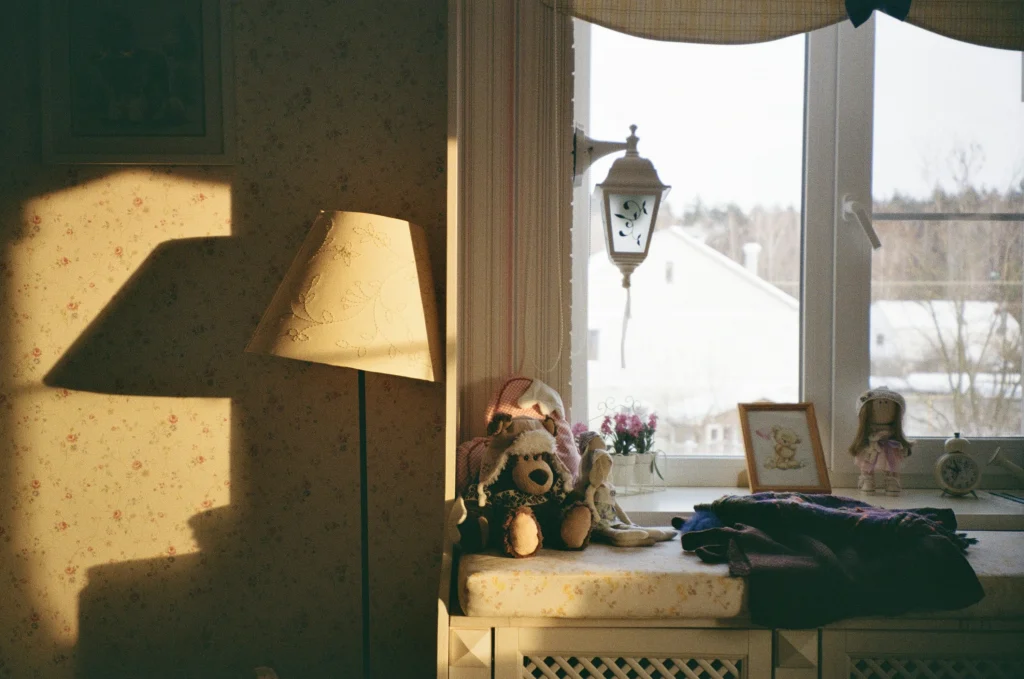
Rooms have yin and yang too.
The living room is usually yang. It is used during the day, for talking, gathering, and activity. It benefits from brightness, openness, and moving air. Open the curtains. Let in the sunlight. Let the room feel alive.
The bedroom is usually yin. It is for rest, sleep, and recovery. It should feel quieter, softer, and more enclosed. Dimmer light, warmer tones, less visual clutter.
The kitchen is more yang — there is fire, movement, cooking, action.
The bathroom is more yin — there is water, cleansing, privacy, and withdrawal.
A home feels balanced not when every room feels the same, but when each room is allowed to do its own job well.
The living room should feel like a living room.
The bedroom should feel like a bedroom.
The place meant for movement should feel active.
The place meant for rest should feel calm.
Some homes are designed to be extremely white, clean, and minimal. They may look beautiful, but after a while, they can feel cold. Not physically cold, but emotionally cool and overly yin.
Other homes are overly full, overly bright, and visually loud. After a while, they can feel agitating. Too much stimulation, too much yang, not enough space to settle.
Balance is not sameness.
It is appropriateness.
Yin and Yang in Emotion
Emotions also have yin and yang.
Joy, excitement, and intensity are more yang.
Calm, quiet, and relaxation are more yin.
If you are always excited, eventually you become tired.
If you are always calm and withdrawn, eventually you may feel stuck or dull.
A healthy state is not the absence of emotion. It is the ability to move between states without getting trapped at either extreme.
In classical Chinese thought, harmony was not about having no feelings. It was about feelings arriving in the right measure, at the right time.
You may have noticed this in modern life.
Sometimes you scroll on your phone late into the night. You are already tired, but somehow you cannot shift into sleep. That can be understood as yang not settling when it should.
Other times, you spend an entire weekend lying around and doing nothing, only to feel even heavier and less motivated. That may be yin becoming too dominant, with not enough yang to lift you back up.
Body and emotion are connected.
If you have been doing too much, you may need stillness.
If you have been still for too long, you may need movement.
Balance often comes from not fighting that truth.
Yin and Yang in Time
A day has yin and yang too.
Morning is when yang begins to rise. It is a good time to begin things.
Midday is when yang is strongest, often the best time for demanding work.
In the afternoon, yang starts to soften, making it easier to wrap things up.
At night, yin becomes stronger, supporting rest, closeness, and sleep.
When we move with this rhythm, the body usually feels better.
When we push hard against it for too long — working late every night, sleeping at odd hours, staying under artificial light all the time — eventually the body notices.
The year has yin and yang as well.
Spring opens.
Summer expands.
Autumn gathers.
Winter stores.
When we move with that larger rhythm, life often feels less effortful.
That does not mean you must live like an ancient farmer. It just means there is wisdom in respecting the season you are actually in.
Yin and Yang Are Never Still
This brings us back to the taiji symbol.
The black and white are not frozen blocks. They are always turning. Black grows while white shrinks, then white grows while black shrinks. One becomes the other. Each contains the seed of the other.
That is the deeper meaning of yin-yang balance.
It is not about stopping in the middle and staying there forever.
It is about movement, transformation, and rhythm.
At night, yin is strongest, and then yang begins to rise.
At noon, yang is strongest, and then yin begins to return.
A day is a cycle. A year is a cycle. A life is a cycle too.
So there is no need to panic every time you feel temporarily out of balance.
Absolute balance is not the point.
Some days you are more tired — more yin.
Some days you are more energized — more yang.
Some days feel heavier. Some days feel lighter.
As long as, over time, you are still moving with life’s rhythm, that is already a form of balance.

In the End
Yin-yang balance is not half and half.
It is knowing when to move and when to stop.
When to brighten and when to dim.
When to go outward and when to come back in.
It is listening to the body.
Following natural rhythm.
Letting what needs to come, come.
Letting what needs to go, go.
It is allowing yourself to have more yin today and more yang tomorrow.
It is allowing a room to have bright places and quiet places.
Allowing life to have fast seasons and slow seasons.
Not forced equality.
But natural circulation.
Like the two fish in the taiji symbol, always moving, always turning, always changing — and yet always held within one whole circle.